
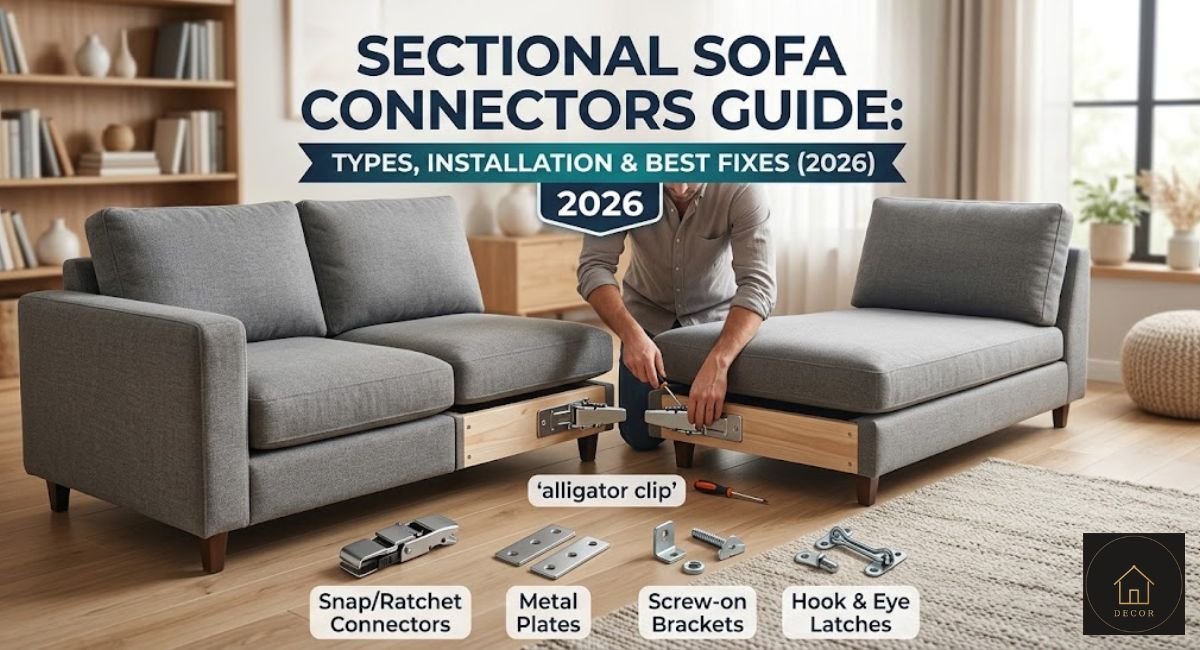
Sectional Sofa Connectors Guide: Types, Installation & Best Fixes (2026)
A sectional sofa is designed to give you more seating flexibility, but one common problem can quickly become frustrating: the individual pieces keep sliding apart.
Whether your sectional moves on hardwood floors, tile, laminate, or even carpet, gaps between sofa sections can make the furniture feel unstable and uncomfortable.
Sectional sofa connectors are hardware pieces that attach individual sofa sections together, helping prevent them from separating during everyday use.
Most sectional sofas include built-in connectors, but these parts can become damaged, lost during moving, or may not be strong enough for certain floor types. In those cases, replacement connectors, straps, or anti-slip solutions can help keep your sofa pieces aligned.
In this guide, you’ll learn what sectional sofa connectors are, the different types available, how they work, and which option is best for your specific sofa setup.
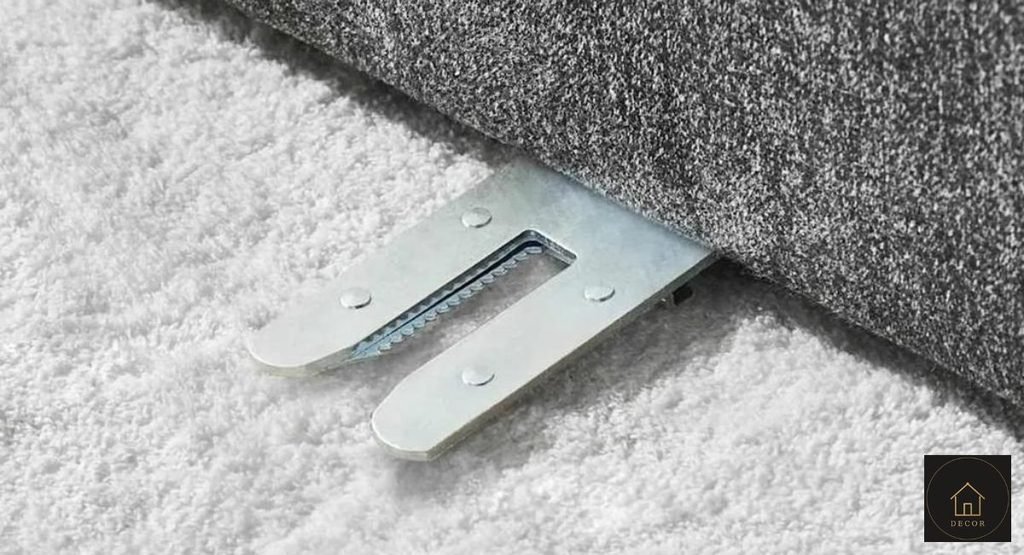
What Are Sectional Sofa Connectors?
Sectional sofa connectors are small brackets, hooks, clamps, or straps that hold separate sofa sections together so they function as one piece of furniture.
A sectional sofa is usually made from multiple sections, such as:
- Corner pieces
- Armless chairs
- Chaises
- Reclining sections
- Loveseat sections
Without a connector, these pieces can shift because each section moves independently when people sit down, stand up, or adjust their position.
Connectors help by:
- Keeping seams aligned
- Reducing gaps between sections
- Improving sofa stability
- Preventing constant repositioning
Many manufacturers use metal hook-and-bracket systems that attach underneath the sofa frame. However, universal alternatives are also available if the original hardware is missing.
Do You Need Sectional Sofa Connectors?
Not every sectional requires additional connectors.
If your sofa pieces:
- Stay together naturally
- Do not create gaps
- Remain stable during use
then extra hardware may not be necessary.
However, connectors can be helpful if your sectional:
- Slides apart frequently
- Creates uncomfortable gaps
- Moves on smooth flooring
- Has sections that become uneven
- Was assembled without original hardware
The type of flooring also affects how much your sectional moves.
Hard Floors
Materials like:
- Hardwood
- Tile
- Laminate
create less friction, so sectional pieces are more likely to slide apart.
For these surfaces, stronger connectors or anti-slip solutions are usually more useful.
Carpet Floors
Carpet naturally provides more grip, so some sectionals stay together better without heavy-duty hardware.
However, thicker carpets can sometimes create uneven movement between sections.
Types of Sectional Sofa Connectors
Different connector types work better depending on your sofa design, flooring, and whether you want a permanent or temporary solution.
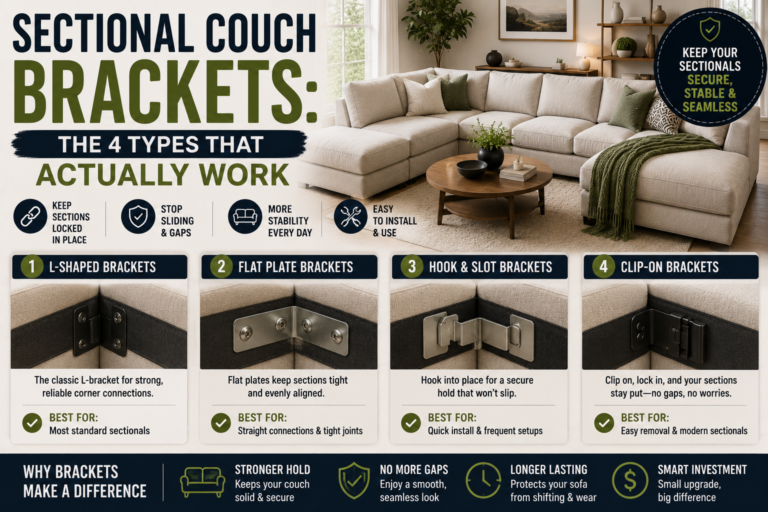
1. Metal Sectional Sofa Brackets
Metal brackets are the most secure option for keeping sectional pieces connected.
They usually work through:
- Hook-and-slot systems
- Interlocking brackets
- Screwed mounting plates
Best for:
- Heavy sectionals
- Large family sofas
- Permanent furniture setups
Advantages:
- Strong connection
- Long-lasting
- Keeps sections aligned
Disadvantages:
- May require tools
- Can create holes if added manually
- Less convenient for renters
Metal connectors are commonly found in higher-quality sectional sofas because they provide a stronger connection between frames.
2. Rubber Sectional Sofa Straps
Rubber straps are a popular alternative when you want a simple, no-drill solution.
They usually wrap around:
- Sofa legs
- Frame supports
- Adjacent sections
Best for:
- Renters
- Temporary solutions
- Sofas without existing hardware
Advantages:
- Easy installation
- No permanent changes
- Affordable
Disadvantages:
- Less rigid than metal brackets
- May stretch over time
For many everyday sofas, a strong strap can solve minor movement problems without modifying the furniture.
3. Velcro Sofa Connectors
Velcro-based connectors attach sections together using strong hook-and-loop material.
They are generally better suited for lighter furniture setups.
Best for:
- Smaller sectionals
- Light-use furniture
- Temporary fixes
Advantages:
- Simple installation
- No tools required
- Easy to remove
Disadvantages:
- Less holding power than metal brackets
- May weaken with heavy use
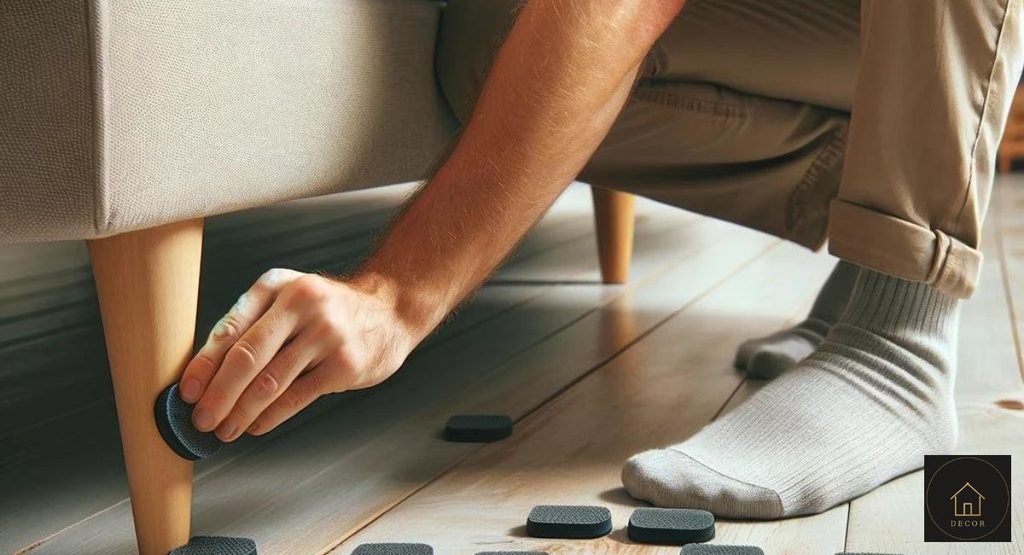
Anti-Slip Pads and Furniture Grippers
Anti-slip pads are not technically sofa connectors, but they can help reduce sectional movement by increasing friction between the sofa legs and the floor.
They work by creating more grip on surfaces like:
- Hardwood
- Tile
- Laminate
Best for:
- Minor sliding issues
- Lightweight sectionals
- Smooth floors
Advantages:
- Very easy to install
- No drilling required
- Protects flooring from scratches
Disadvantages:
- Does not physically connect sofa sections
- May not solve large gaps between pieces
For many homeowners, combining anti-slip pads with connectors provides better stability than using either option alone.
Sectional Sofa Connector Comparison Table
Choosing the right connector depends on how permanent you want the solution to be and how much movement your sofa experiences.
| Connector Type | Best For | Installation | Strength | Ideal User |
| Metal brackets | Heavy sectionals | Tools may be required | High | Homeowners |
| Rubber straps | Everyday sofas | Easy, no drilling | Medium | Renters |
| Velcro connectors | Lightweight sectionals | Very easy | Low to medium | Temporary fixes |
| Anti-slip pads | Sliding issues | Simple placement | Supportive | Smooth floors |
How to Install Sectional Sofa Connectors
Installing sectional sofa connectors is usually straightforward, but the exact method depends on the connector type and sofa design.
Step 1: Align the Sofa Sections
First, push all sectional pieces together and make sure:
- The seams are even
- The cushions line up
- The sofa is positioned correctly
Connecting sections while they are misaligned can create unnecessary pressure on the hardware.
Step 2: Check Existing Hardware
Before buying replacement connectors, look underneath your sofa.
Many sectionals already have:
- Metal brackets
- Hook systems
- Connector slots
The original hardware may simply be missing or disconnected.
Step 3: Attach the Connector
The installation depends on the type:
Metal Brackets
Usually:
- Attach one piece to each sofa section
- Slide or hook sections together
- Secure according to manufacturer instructions
Straps
Usually:
- Wrap around sofa legs or frames
- Tighten until sections stay aligned
Velcro Connectors
Usually:
- Attach the adhesive or strap sections
- Press firmly together
Step 4: Test the Connection
After installation:
- Sit on different sections
- Move slightly from side to side
- Check if gaps appear
A good connector should reduce movement without putting excessive stress on the sofa frame.
What If Your Sectional Sofa Has No Connectors?
Some sofas do not include connectors, especially:
- Budget sectionals
- Older furniture
- Pieces purchased separately
If your sectional has no built-in hardware, you still have several options.
Option 1: Add Universal Sofa Connectors
Universal brackets and straps are available for many sectional designs.
Before buying, check:
- Frame accessibility
- Leg placement
- Available mounting points
Option 2: Use No-Drill Solutions
If you rent or do not want to modify your sofa, choose:
- Rubber straps
- Velcro connectors
- Anti-slip pads
These options are easier to remove later.
Option 3: Improve Floor Grip
Sometimes the connector is not the main problem.
A sectional may separate because the entire sofa slides on the floor.
Adding:
- Rubber furniture pads
- Non-slip mats
- Rug placement
can reduce movement significantly.
Do Sectional Sofa Connectors Work on Carpet?
Yes, sectional sofa connectors can work on carpet, but the best solution depends on the type of movement.
Carpet already provides some natural resistance, so a sofa may move less compared with hardwood or tile.
However, problems can still happen when:
- The carpet is very soft
- The sectional is heavy
- The sofa pieces are used separately
For carpeted rooms:
Best Options:
Rubber straps
- Easy to install
- Provide additional connection
Metal brackets
- Best for heavy permanent sectionals
Anti-slip pads
- Less necessary but can help in some situations
Best Sectional Sofa Connectors for Renters
Renters often need solutions that work without permanently changing the furniture.
The best renter-friendly options are:
Rubber Straps
Best overall choice because they:
- Require no drilling
- Remove easily
- Do not damage the sofa frame
Velcro Connectors
Useful for:
- Lightweight sofas
- Temporary setups
Anti-Slip Pads
Helpful when the main problem is floor movement rather than separated sofa pieces.
Avoid drilling metal brackets into rental furniture unless you own the sofa and are comfortable making permanent changes.
For renters choosing new furniture, a flexible option like a modular sectional sofa may also be worth considering because pieces can be rearranged more easily.
How to Stop a Sectional Sofa From Sliding Apart
If your sectional keeps separating, use this simple checklist:
1. Check the Connector
Make sure:
- Existing hooks are properly attached
- Hardware is not bent or damaged
- Sections are aligned correctly
2. Improve Floor Grip
Smooth floors often cause movement.
Try:
- Rubber pads under legs
- Area rugs
- Non-slip furniture mats
3. Reduce Uneven Pressure
A sectional may separate faster when:
- One side receives more weight
- Sections are placed unevenly
- The floor is not level
Adjusting the layout can sometimes solve the issue.
4. Choose the Right Connector Type
Match the connector to your situation:
- Heavy sofa → Metal brackets
- Rental → Rubber straps
- Minor sliding → Anti-slip pads
- Temporary fix → Velcro connectors
Common Mistakes When Using Sectional Sofa Connectors
Choosing the Wrong Connector
A lightweight strap may not hold a large heavy sectional securely.
Always consider:
- Sofa size
- Weight
- Usage frequency
Installing Without Checking Alignment
Connectors work best when sections already sit correctly together.
Do not use hardware to force two incorrectly positioned pieces together.
Ignoring Floor Movement
Sometimes the connector is fine, but the sofa itself slides.
Fix the flooring issue first if needed.
Over-Tightening Straps
Too much pressure can place unnecessary stress on sofa legs or frames.
The goal is stability, not forcing the sections together.
Frequently Asked Questions
Sectional sofa connectors are brackets, clamps, hooks, or straps that attach separate sofa sections together. They help prevent individual pieces from moving apart and keep the sectional functioning as one connected unit.
Some connectors are universal, but not all.
Flexible options like:
Rubber straps
Velcro connectors
Anti-slip solutions
usually work with many sofa designs.
However, metal brackets may require specific measurements because sectional frames and mounting points vary between manufacturers.
Before buying replacement hardware, check:
Connector size
Mounting location
Sofa frame design
A sectional sofa usually separates because of one or more of these reasons:
Smooth flooring such as hardwood or tile
Missing or damaged connectors
Heavy movement during daily use
Sections not properly aligned
Uneven floor surfaces
The solution depends on which of these is causing the movement — start by checking your connectors and flooring before buying new hardware.
Zip ties can work as a temporary solution for lightly used sofas, but they are not designed as a permanent furniture connector.
They may be useful for:
Emergency fixes
Small movements
Temporary setups
For long-term stability, dedicated sofa straps or proper connector hardware are usually a better option.
Most no-drill options such as:
Rubber straps
Velcro connectors
Anti-slip pads
do not damage the sofa.
Metal brackets may require screws, which can create holes in the frame. These are better suited for homeowners who want a more permanent setup.
TThe cost depends on the type:
Rubber straps: around $10–$20
Velcro connectors: around $10–$25
Metal bracket kits: around $15–$40
Prices vary depending on quality, brand, and how many connectors your sofa needs.
Conclusion
Sectional sofa connectors are a simple solution to one of the most common problems with modular furniture: sections that constantly move apart.
The right connector depends on your sofa and your situation:
- Metal brackets are best for heavy, permanent setups.
- Rubber straps are ideal for renters and no-drill solutions.
- Velcro connectors work well for lighter furniture.
- Anti-slip pads help reduce movement on smooth floors.
Before buying new hardware, check whether the problem is coming from the connector, the flooring, or the sofa placement itself. A properly connected sectional should feel stable, comfortable, and easy to use without constant repositioning.

Hi, I’m Shahzad Ahmad welcome to Smart Decore Tips!
I write and research every guide on this site myself, focused on real, practical home decor advice for renters, first-time homeowners, and small-space living. Before publishing anything, I check actual product listings, current prices, and real customer reviews not just what other sites already say.
My goal is simple: help you make smarter, more affordable decor decisions without the guesswork or sales pitch.

10 Comments