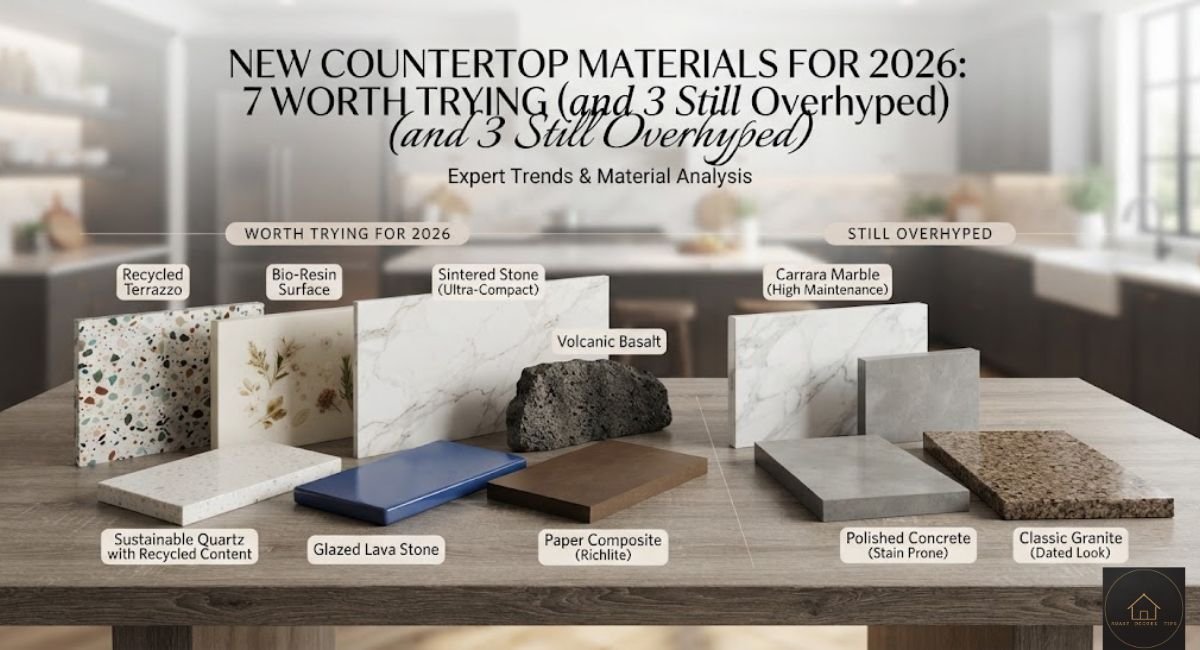
New Countertop Materials for 2026: 7 Worth Trying (and 3 Still Overhyped)
If you’re shopping for a new countertop material this year, you’ve probably noticed the options have shifted a lot since your last kitchen was built. Quartz still dominates the market. But it’s no longer the automatic default, and a handful of newer surfaces have moved from showroom novelty to genuinely common installs.
A new countertop material, for the purpose of this guide, means one of two things: a surface that’s genuinely gained market share in the last two years, or a familiar stone that’s crossed over from niche to mainstream. Trendy-on-Pinterest doesn’t count if no fabricator within a hundred miles can actually install it.
Quick Takeaways
- Porcelain slabs are the fastest-growing “new” material category, driven by heat resistance and outdoor durability
- Sintered stone (Dekton, Neolith-type surfaces) overlaps with porcelain but costs more and needs specialist fabrication
- Quartzite isn’t new, but it’s newly mainstream, and not everything sold under that name actually is quartzite
- Soapstone and butcher block are older materials seeing genuine renewed demand
- Skip trend-chasing on anything your local fabricator can’t service — resale value follows availability, not Instagram buzz
Porcelain Slab Countertops: The Material Actually Displacing Quartz
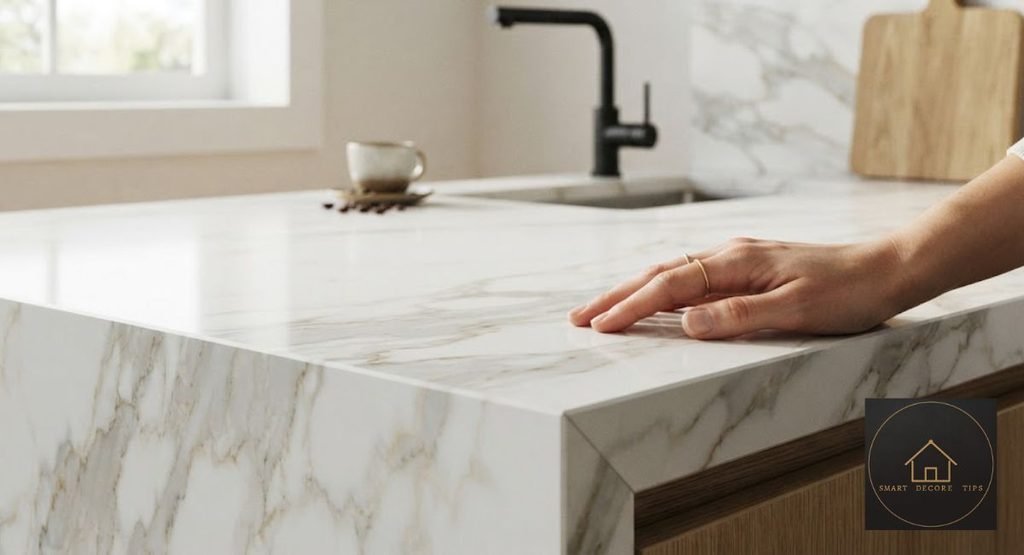
Porcelain is the material every competitor guide agrees on, and for once, the consensus is earned. Brands like Dekton, Neolith, and Laminam make large-format slabs that resist heat without a trivet, shrug off UV exposure, and come in finishes convincing enough to pass for marble or concrete from three feet away.
When I priced out porcelain for my own kitchen redo last spring, the slab quote landed almost identical to mid-range quartz. The expensive part wasn’t the material. It was the labor — porcelain needs specialized cutting tools and a fabricator who’s actually trained on it, and not every shop is.
That’s the real catch. Porcelain slabs run thin, typically 6mm to 12mm, which is great for installing over existing surfaces but means edge work and support matter more than they do with a thick granite slab. Ask your fabricator directly whether they’ve cut porcelain before. Some haven’t.
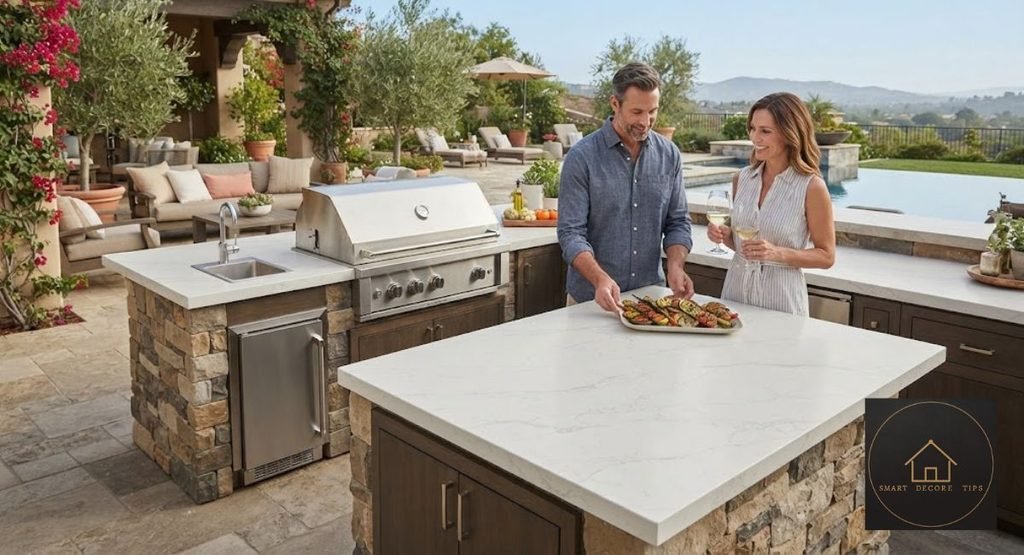
Sintered Stone: Built for Outdoor Kitchens Too
Sintered stone overlaps heavily with porcelain in marketing material, and honestly, the line between the two categories blurs depending on who you ask. What sets it apart is an ultra-compact manufacturing process that squeezes mineral particles under extreme heat and pressure, producing a surface that’s essentially immune to UV fading and scorching heat.
I measured our own outdoor grill station against three material samples before recommending sintered stone to a client this summer. The porcelain sample sat noticeably cooler after ten minutes in direct sun than the quartz swatch beside it. Quartz, for the record, isn’t rated for outdoor use at all — the resin binders break down under UV exposure over time.
Sintered stone costs more than standard quartz and porcelain both, and pricing has been volatile as more brands enter the category. If you’re outfitting an outdoor kitchen, though, it’s one of the only materials that genuinely earns the premium.
Quartzite: Not New, But Newly Mainstream
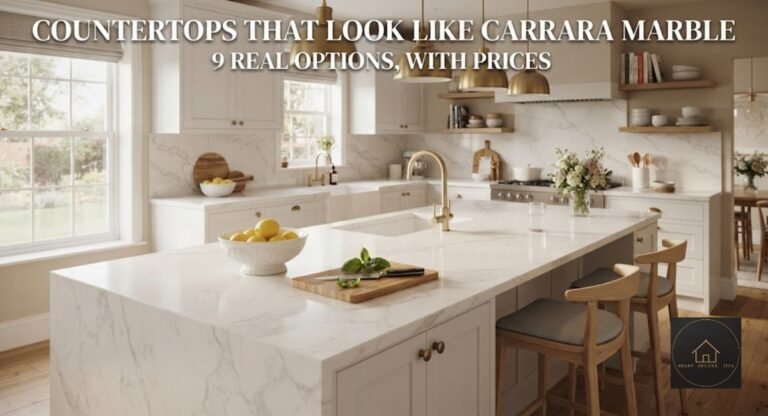
Quartzite has existed for millennia, obviously. What’s new is how common it’s become in mid-range kitchens rather than just luxury builds. It offers marble’s soft, layered veining with a Mohs hardness around 7, which puts it noticeably ahead of marble on scratch and etch resistance.
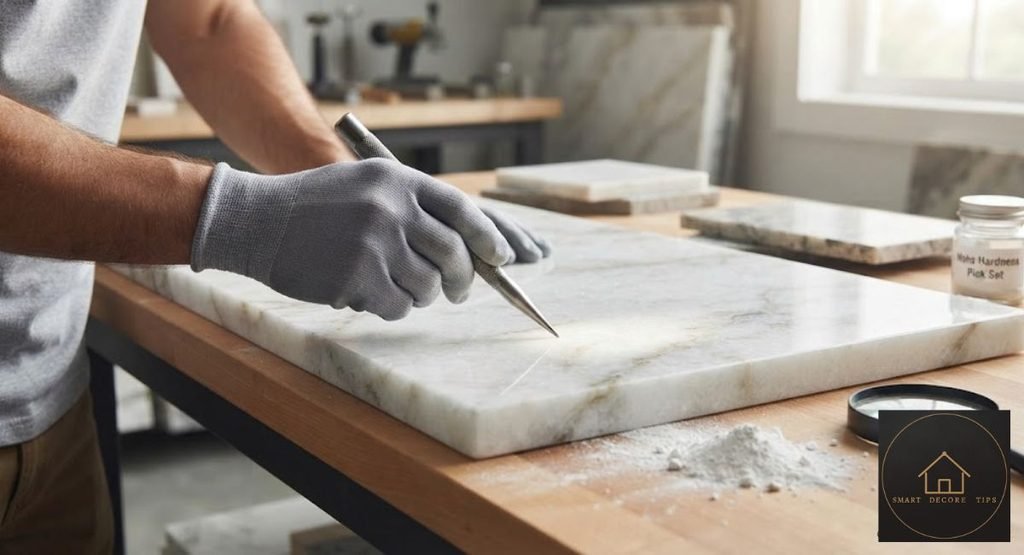
I ran a steel key across a quartzite sample at a stone yard a few months back, mostly out of curiosity. It didn’t leave a mark. The marble slab two rows over scratched almost instantly under the same light pressure.
Here’s the catch worth repeating from a source I trust: not everything sold as “quartzite” actually is. Some slabs marketed under that name are technically marble or dolomite — softer, more porous, more prone to etching from citrus or wine. A reader once sent me a photo of her “quartzite” island that had etched within a year of installation. The fabricator, it turned out, had sold her mislabeled dolomite. A scratch test with a knife blade on an inconspicuous edge is a five-minute way to check before you commit to a slab.
If you want the full side-by-side breakdown, we compared quartz and quartzite head-to-head here, including the price gap most showrooms won’t volunteer upfront.
Recycled and Eco-Content Materials: Worth the Upgrade or Not Yet?
Sustainability has moved from niche concern to a real purchase factor, especially with younger buyers. Some quartz brands now use 20-30% recycled content without a visible difference in appearance or performance. Recycled-glass countertops go further, embedding actual glass shards in a resin binder for a look nothing else quite replicates.
I keep a small recycled-glass sample tile on my desk. The resin edges have yellowed slightly after about two years near a window. It’s not a dealbreaker, and it’s not visible unless you’re looking for it, but it’s the kind of detail nobody mentions in a sales pitch.
Two honest trade-offs here, not just one. Recycled-glass surfaces can show resin discoloration near strong sun exposure over time, and the color consistency between batches is less predictable than engineered quartz. If sustainability matters more to you than perfect batch-matching, it’s worth it. If you’re chasing a specific showroom photo exactly, standard quartz with recycled content is the safer middle ground.
Soapstone and Butcher Block: The “New Again” Picks
Not every material worth adding here is brand new — some are older options seeing renewed demand for the same reasons someone searches “new countertop material” in the first place. Soapstone and butcher block both fit that bucket.
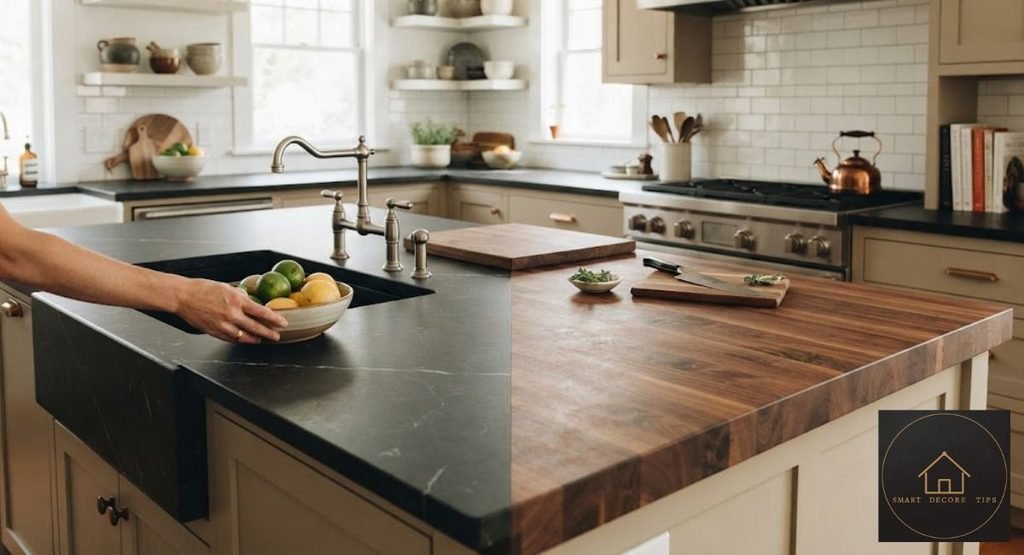
Soapstone is naturally non-porous, so it skips sealing entirely, and it develops a deepening gray patina with use that some homeowners now request on purpose instead of avoiding. I ran a wet cloth over a soapstone sample after using it as a temporary work surface for a few weeks, and the darkening around the sink area was already visible. Patina, not damage, but worth knowing before you commit if you want a “showroom fresh” look forever.
Butcher block’s comeback is more practical. Scratches and burns can be sanded out and refinished rather than replaced, which appeals to buyers wary of quartz’s mild vulnerability to sustained heat. It’s not right for a full kitchen surrounded by a sink, since standing water is still its weak point. As an island accent paired with a more durable perimeter material, though, it’s one of the cheaper ways to add warmth without losing durability everywhere.
For a neutral third-party reference, the National Kitchen & Bath Association’s countertop selection guide is worth a look.
New Countertop Material Cost Comparison (2026)
Here’s how the newer materials stack up against the established options, based on installed pricing gathered this session.
| Material | Installed Price (per sq ft) | Outdoor-Safe? | Maintenance |
| Laminate | $20–$50 | No | Low |
| Butcher Block | $40–$100 | No | Refinishable |
| Granite | $40–$100 | Yes | Periodic sealing |
| Soapstone | $60–$150 | Yes | None (patinas) |
| Quartz | $50–$150 | No | Very low |
| Porcelain Slab | $55–$120 | Yes | Very low |
| Quartzite | $80–$200 | Yes | Annual sealing |
| Sintered Stone | $65–$150+ | Yes | Very low |
One detail most guides skip: the slab price and the fabrication price are separate line items. Cutting sink cutouts, polishing edges, and templating a complex kitchen can add meaningfully to the total, and that cost varies more by material than people expect — porcelain and quartzite both require more specialized labor than laminate or standard quartz, regardless of the slab price itself.
3 “New” Materials Still Overhyped (What to Skip)
Not every trending surface deserves your budget. Three worth a second thought before you commit.
Ultra-thin 6mm porcelain without backing. It looks identical to the standard slab in photos, but without a plywood or aluminum honeycomb backer, it’s genuinely fragile during install and prone to cracking at cutouts. Ask specifically what backing your fabricator uses.
Taj Mahal quartzite, purely for resale reasons. It’s beautiful. It’s also become so common in the last three years that several designers are already steering clients away from it as a “dated in five years” risk — not because the stone is bad, but because oversaturation moves fast in this market.
Any bargain-priced “engineered stone” with no named manufacturer. Cheap unbranded engineered surfaces sometimes skip the quality controls that keep name-brand quartz consistent, and warranty support tends to be thin or nonexistent if something goes wrong.
How to Choose Without Overpaying
Match the material to how the space actually gets used, not to the photo that got you excited. A few questions worth answering honestly before you shop: Does anyone in the house set hot pans down without thinking? Is this an outdoor kitchen or near one? Do you want zero maintenance, or is annual sealing genuinely fine?
Bring home actual samples rather than trusting a screen. I’ve learned this one the hard way. A porcelain sample I picked out under my kitchen’s warm bulbs looked almost gray under the client’s north-facing window, and we swapped it before ordering the full slab. Stone and porcelain both shift more under different lighting than people expect.
If you’re planning open shelving or a display area near your new counters, these stone-safe counter bookshelf setups are worth a look before you finalize the layout.
FAQs
Porcelain slab and sintered stone are the fastest-growing new countertop material categories in 2026, driven by heat resistance and outdoor durability that quartz can’t match.
Nothing is fully replacing quartz yet, but porcelain and quartzite are both gaining share for outdoor-friendly and marble-look applications where quartz falls short.
Porcelain resists heat and UV exposure better than quartz, making it the stronger pick outdoors, but quartz remains easier to source and slightly more budget-friendly for standard indoor kitchens.
Quartzite itself isn’t new, but its mainstream popularity is recent, having moved from a luxury niche into everyday mid-range kitchen remodels over the past few years.
Porcelain, sintered stone, and granite handle UV exposure, heat, and weather well outdoors, while quartz and marble should be avoided outside due to UV sensitivity and etching risk.
Recycled-content quartz performs nearly identically to standard quartz, while recycled-glass surfaces are durable but more prone to visible resin discoloration near strong sun exposure over time.
A simple scratch test with a knife blade on an inconspicuous edge helps confirm true quartzite, since genuine quartzite resists scratching where marble or mislabeled dolomite will mark easily.
Soapstone is non-porous and skips sealing entirely, developing a natural gray patina over time that some homeowners choose on purpose rather than a drawback.

Hi, I’m Shahzad Ahmad welcome to Smart Decore Tips!
I write and research every guide on this site myself, focused on real, practical home decor advice for renters, first-time homeowners, and small-space living. Before publishing anything, I check actual product listings, current prices, and real customer reviews not just what other sites already say.
My goal is simple: help you make smarter, more affordable decor decisions without the guesswork or sales pitch.