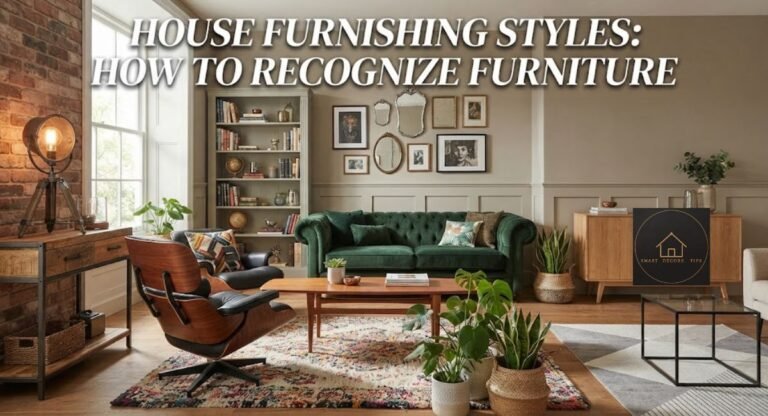
Ornate Styles: Baroque, Rococo or Victorian, and How Much to Use
Ornate styles are looks built on elaborate decoration: carving, gilding, scrolls, rich fabric and layered detail. In US homes, three are worth knowing: Baroque, Rococo and Victorian revival. The practical rule is to let one ornate element lead a room and keep everything else calm.
The word started as a style name, not a complaint. One art-history blog describes the Roman “Ornate Style” as walls painted a single solid color (white, black or deep red), then dotted with tiny garlands, masks and drapery. The ornament was small. The background stayed plain.
This guide sorts the three styles, shows how much ornament one room can hold, and says what to buy first. If you want the wider range of looks first, start with our guide to home decor styles: names, examples and how to decorate each.
What is an ornate style?
An ornate style is a design approach where decoration is the main event: carving, gilding, scrolls, pattern and rich fabric appear on surfaces that could have stayed plain. Dictionary.com defines ornate as elaborately or sumptuously decorated and notes that the word often implies excess or showiness.
In art history, “ornate style” is also a formal label. Wikipedia lists two uses: Greek red-figure vase painting around 400 BC, and the third Pompeian wall-painting style, popular around 20–10 BC. In decorating, it is a description, not a strict category.
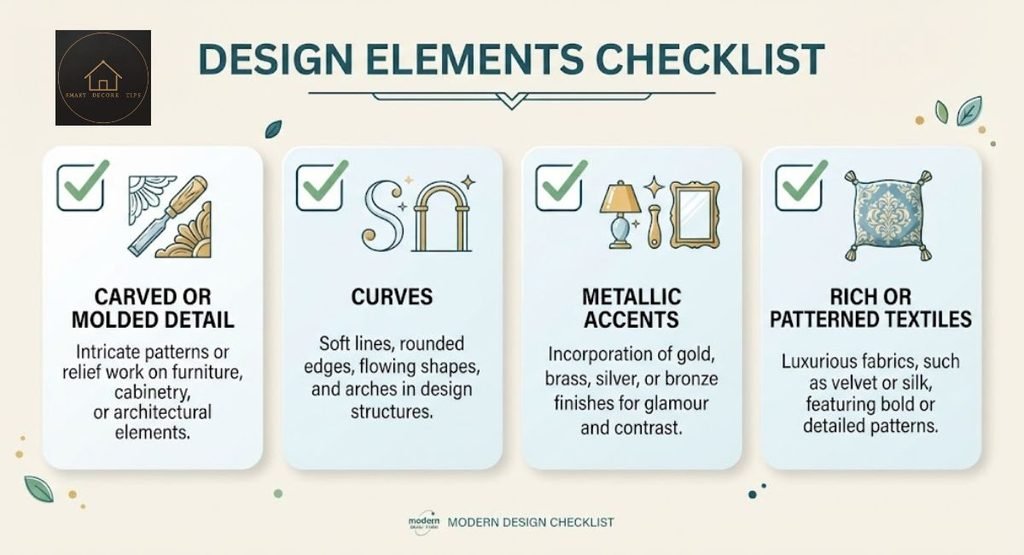
Here is a working checklist, drawn from the design guides used for this article. It is not an official definition.
- Carved or molded detail on legs, frames, trim and ceilings
- Curves, such as scrolls and curved legs
- Metallic accents, usually gilding on mirrors, frames or hardware
- Rich or patterned textiles, such as damask, velvet, silk, tassels and fringe
A rule of thumb, which is editorial judgment and not a standard: one of these makes a piece detailed, and two or more make it ornate.
What is a very ornate art style?
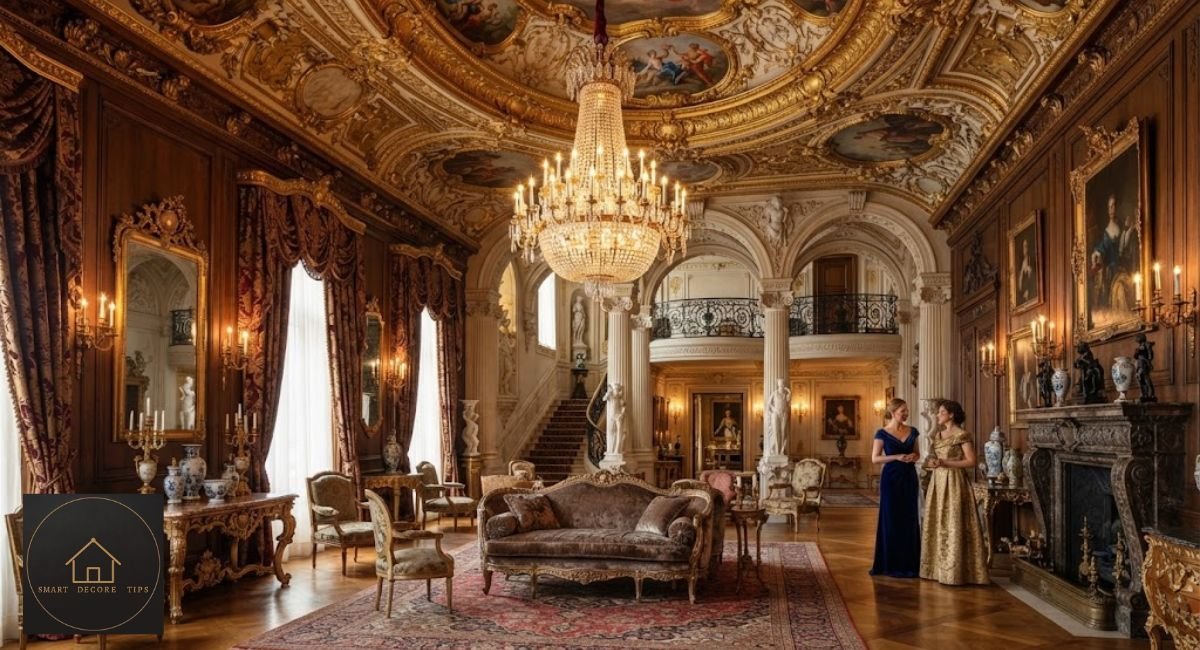
Baroque is the style most guides reach for, and Windermere’s design-style guide says it typically comes to mind for over-the-top ornamental decor. Rachel Goodchild’s design blog calls it dramatic, grand and heavy; Rococo is ornate too, but lighter.
Because the question covers art in general, this answer is limited to the styles that reached home interiors. Art historians may name others.
What are some examples of ornamental art styles?
In US homes, the three worth knowing are Baroque, Rococo and Victorian revival styles. The table separates them, and the notes below it cover the points that cause the most confusion.
| Options | Baroque | Rococo | Victorian revival |
| When | 1600s into the mid-1700s | Early-to-mid 1700s; in France from the 1730s | US revival styles, about 1840 to 1876 |
| Mood | Dramatic, grand, heavy | Lighter, playful, intimate | Borrowed from earlier eras, so it varies |
| Typical colors | Deep reds and greens with gold | Pastels, white, soft gold | Varies by revival; the Rococo Revival is described as darker and denser than the original |
| Signature details | Carved wood, gilding, damask, curved carved legs | Shells, scrollwork, ornate mirrors, cabriole legs | Rococo Revival scrolls, Gothic Revival high-backed chairs, Renaissance Revival pieces |
| Easiest way to borrow | One large gilt mirror or a deep-colored textile | A pastel base plus one scrolled or carved piece | One revival piece, chosen by what it was designed for |
Table sources: Windermere’s design-style guide, Rachel Goodchild’s design blog, Maverick Frame’s Rococo guide, the Virginia Museum of Fine Arts glossary and the two Met essays linked below. The last row is an editorial suggestion, not a sourced fact.
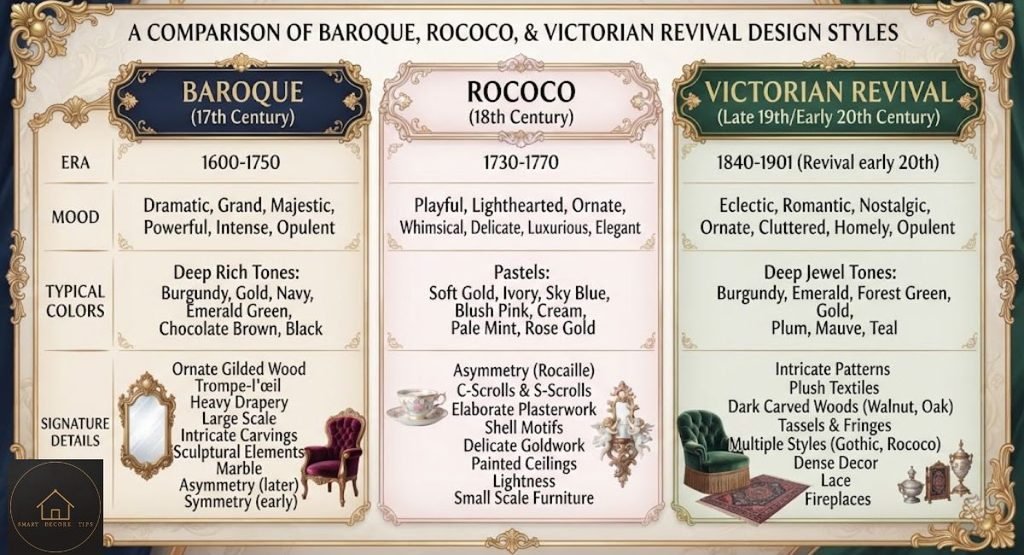
Baroque vs. Rococo
Architecture Courses frames the difference by where your eye goes first. Baroque reads from the doorway, while Rococo rewards a closer look. As an editor’s judgment, Rococo’s lighter palette is the easier fit for a small room. Baroque’s deep reds and greens need more space and daylight.
Symmetry is a poor tiebreaker. Several design guides call Rococo asymmetrical, and the style did break with strict classical symmetry. But the Met’s essay on American Rococo says American makers applied its shells, scrollwork and acanthus leaves in compositions that were often symmetrical. If a piece has the shells and scrolls, don’t rule it out because it is symmetrical.
Victorian is several looks, not one. The Met’s overview of American revival styles from 1840 to 1876 describes a parade of styles borrowing from the past. Gothic Revival furniture was favored for home libraries and could appear in dining rooms.
Renaissance Revival worked in bedrooms and reception rooms. Egyptian Revival pieces were probably occasional highlights. After the 1870s, the Met says, taste grew more eclectic and styles were no longer tied to particular rooms. When a listing says “Victorian,” ask which revival it is, because that tells you what the piece was designed to sit beside.
What are the four types of decorative design?
There is no official list of four. Sources split ornament differently: one design blog uses seven categories, Stavros Decor’s article on choosing ornament for interiors uses four motif families (floral, geometric, zoomorphic and abstract), and Wikipedia says ornament draws on geometric shapes, plants, and human and animal figures. For decorating, the four-family sort is the handiest.
Here is how that sort looks in a room. Plant motifs include acanthus leaves, florals and damask. Geometric motifs include grids, borders and repeating patterns. Animal or figure motifs (the “zoomorphic” family) include the paw-like foot that can finish a cabriole leg, as the Virginia Museum of Fine Arts glossary describes. Abstract motifs include scrolls.
The examples are an editorial sorting, since the sources do not share one system. The decision rule is editorial too: pick one family to lead. Florals on the walls, a geometric rug and carved animal feet read as three competing ideas instead of one.
Is traditional decor the same thing as ornate?
No. Traditional is a whole decorating style, and ornate describes how much decoration a style carries. Birch Lane’s guide to traditional style names comfort, symmetry and ornate detail as its three key components, so ornate is one ingredient, not the whole recipe.
Traditional home decor styles run from restrained to richly detailed. Windermere’s guide calls traditional calm, orderly and predictable. Decore’s description includes fringes, tassels, gilt-framed oil paintings and crystal chandeliers. Hey There Home separates traditional from classic by color, saying classic keeps the same ornate details but moves to darker wood tones and more saturated fabrics.
A simple test (editorial, not a standard): symmetry, matched pairs and molding with modest carving point to traditional. Deep carving, heavy gilding and curves doing most of the work point to ornate. The Posh Pennies blog warns that chunky gold ornate furniture can end up looking tacky. That same blog says one very ornate gold frame is fine.
How much of an ornate style can one room hold?
One ornate element leads, one or two others support it, and the rest stays plain. That is an editorial rule, not an industry standard, but it echoes the Roman wall painters: small detail on a calm ground.
| Level | What is ornate | What stays plain | Best for |
| Light touch | One mirror or frame | Walls, sofa, rug | Renters, small rooms |
| Medium | One lead piece plus a rich textile or an ornate lamp | Walls and the largest furniture | Most living rooms and bedrooms |
| Full | Architecture (molding, ceiling medallions) plus two ornate furniture pieces | The rug and one large surface | Homes that already have this detail |
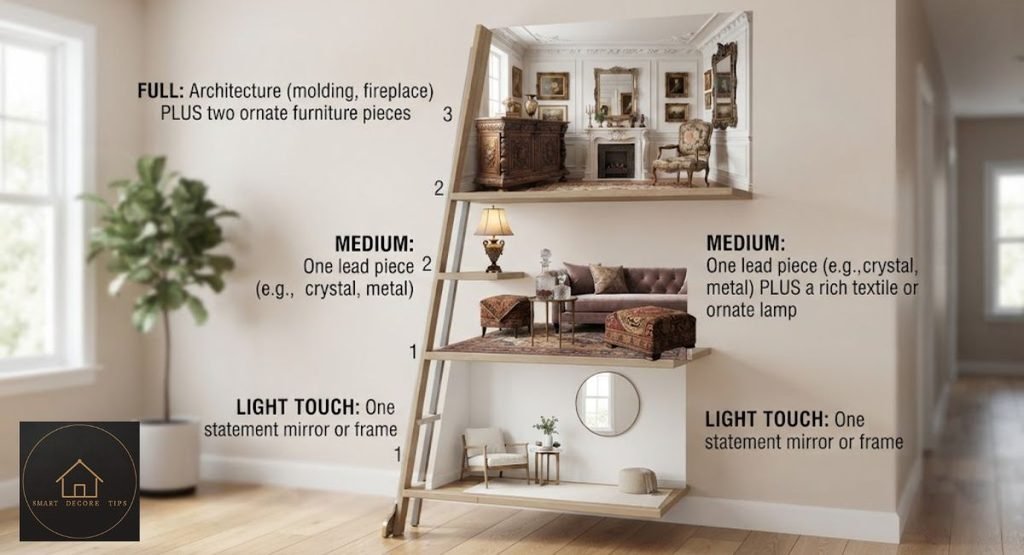
Birch Lane lists crown molding, coffered ceilings and similar millwork as traditional architecture’s signatures. That is why the full level suits homes that already have them.
There are two honest trade-offs. Ornate pieces can make a small room feel formal or heavy. Several ornate pieces also compete, and the Posh Pennies blog warns that adding traditional furniture to a room that is already very ornate can feel overpowering.
What do you buy first, and what do you skip?
Buy the most reversible piece first: a mirror or frame. Skip a full matching ornate suite.
The editorial pick for most US renters and small rooms is the light-touch level. It moves with you, and it works with furniture you already own. Chairish’s blog (a retailer, so weigh it accordingly) says thick gold-framed Baroque and Rococo mirrors fit nearly any interior. As our home decor styles guide notes, renters can rarely repaint or swap fixtures, so the movable layer has to carry the style.
Two trade-offs apply. You get less drama than a full room. And a single ornate piece can look stranded, so repeat one detail, such as the gold finish or a scroll shape, once more elsewhere. Homeowners with existing molding may prefer the full level. Anyone who wants a quiet room may prefer to skip ornate altogether.
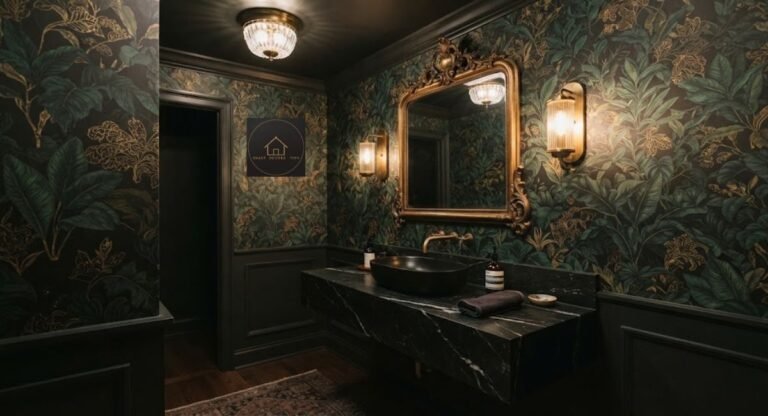
If you want ornate on the walls, test it in a powder room first. Our guide to bold wallpaper in a powder room covers pattern scale and strippable vinyl.
What to skip:
- A full matching ornate suite
- Mixing several motif families at once
- Chunky gold furniture bought on impulse
Ornate or just cluttered: how can you tell?
An ornate room repeats a few details on purpose and leaves quiet surfaces for the eye. A cluttered room collects unrelated things. Ask three questions:
- Can you name the repeating detail (gold, scrolls, velvet)?
- Is there a plain surface, such as a wall, rug or sofa, for the eye to rest on?
- Does each ornate piece have breathing room?
Example: a mantel with one gilt mirror, a pair of lamps and a plain wall behind it is ornate. The same mantel with seven unrelated frames and objects is cluttered.
For the calm base an ornate piece needs, see our Nancy Meyers decor style guide. Its pale walls, soft seating and lamplight are a useful model for what to keep quiet.
Buy first: one ornate mirror or frame. Buy second: a lamp or rich textile in the same finish or motif. Skip: the full matching ornate suite.
FAQs
Not exactly. Dictionary.com lists a second sense for writing: embellished, florid or high-flown. Art history uses it as a formal style label, and decor uses it as a plain description of heavy decoration.
Ornament is the decoration itself. Wikipedia defines it as decoration used to embellish a building or object. Ornate describes something heavily decorated with it.
Yes, and a mirror or frame is the easiest entry. Keep the rest of the room plain and repeat one detail from the ornate piece, such as its finish, once elsewhere.
No. Birch Lane suggests vintage frames, ceiling medallions or furniture with curved lines and carved details when a home lacks millwork.
How this guide was made
This guide was prepared on October 14, 2026. It draws on two Metropolitan Museum of Art essays (linked above), Dictionary.com’s definition, design guides from retailers and designers (Windermere, Birch Lane, Decore, Hey There Home, Posh Pennies, Chairish, Maverick Frame, Architecture Courses, Stavros Decor), art-history blogs (Rachel Goodchild, The Artistic Adventure of Mankind), excerpts from Wikipedia, a Virginia Museum of Fine Arts glossary and our own published guides. Only the two Met essays are linked, to keep outside links to two.
History claims come from the Met where possible. Descriptions from design guides are attributed to them. Recommendations are editorial judgments, assessed by whether they are reversible for renters and whether sources agree. Nothing here was tested, bought, owned or photographed.

Hi, I’m Shahzad Ahmad welcome to Smart Decore Tips!
I write and research every guide on this site myself, focused on real, practical home decor advice for renters, first-time homeowners, and small-space living. Before publishing anything, I check actual product listings, current prices, and real customer reviews not just what other sites already say.
My goal is simple: help you make smarter, more affordable decor decisions without the guesswork or sales pitch.