
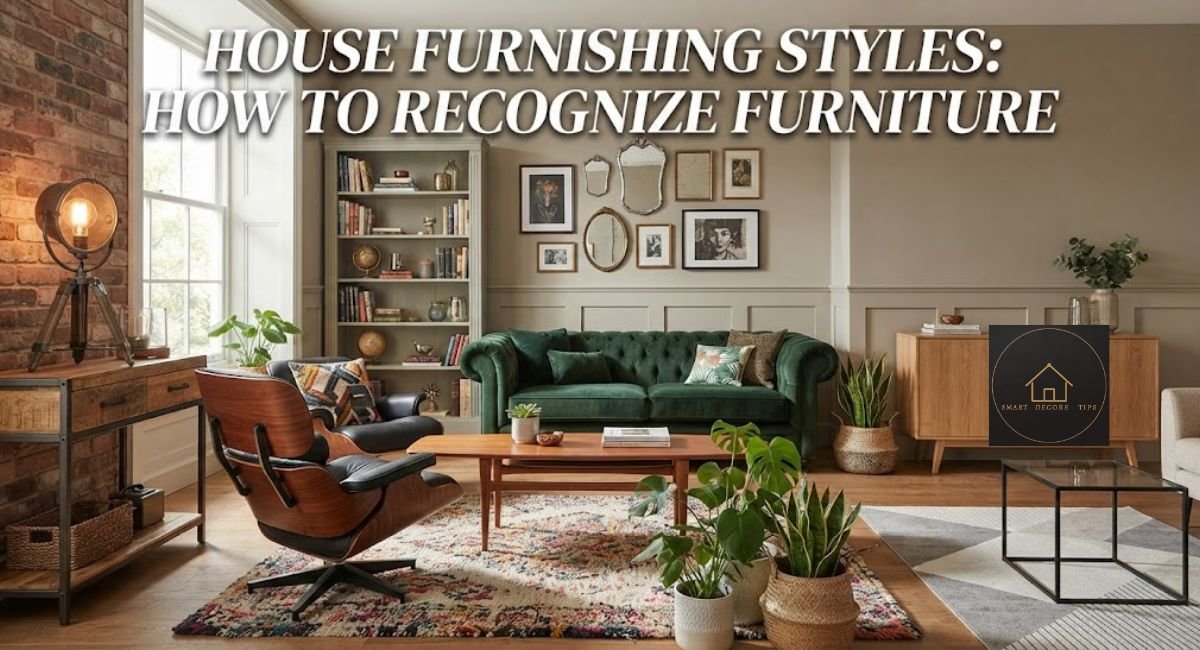
House Furnishing Styles: How to Recognize Furniture
House furnishing styles describe the shapes, materials, finishes, and details that give furniture its recognizable look. A modern chair may have clean lines and simple legs, while a traditional chair may feature curved supports or carved wood. Learning to spot these differences helps you choose furniture that works together without buying a matching set.
The easiest way to identify a furnishing style is to start with the piece itself. Look at its frame, legs, upholstery, surface finish, and decorative details. Color matters, but construction and shape often tell you more.
If you are looking for a wider overview of room aesthetics, our home decor styles guide covers that broader topic. Here, the focus is narrower: how to recognize furniture styles and decide which pieces belong together.
What makes house furnishing styles different?
A furnishing style is a recognizable approach to furniture design, expressed through its shape, construction, materials, finish, and ornament. It describes the furniture itself rather than the complete look of a room.
Start with five clues:
- Shape: Check whether the furniture is straight, curved, rounded, angular, or heavily detailed.
- Legs and base: Look for tapered legs, turned legs, carved supports, metal frames, or a hidden base.
- Materials: Notice the use of wood, metal, glass, upholstery, and woven materials.
- Finish: Check whether the surface is polished, painted, distressed, textured, or left close to its natural appearance.
- Decoration: Look for carving, buttons, stitching, moldings, decorative handles, or a lack of ornament.
One feature rarely identifies a style on its own. A curved sofa, for example, could suit several design directions. Its legs, upholstery, proportions, and overall construction help narrow the choice.
Historical furniture also shows why these details matter. The Metropolitan Museum of Art documents how Queen Anne and Chippendale furniture differed in their shapes, leg designs, materials, and ornamentation. Its guide to American furniture from 1730 to 1790 offers specific examples rather than relying on modern style labels alone.
How can you recognize modern, traditional, and transitional furniture?
Modern furniture generally favors clean forms, traditional furniture draws on historical designs, and transitional furniture combines elements of both. These are useful starting points, although individual pieces can cross style boundaries.
| Feature | Modern | Traditional | Transitional |
| Overall shape | Clean and streamlined | Often shaped or decorative | Usually simple with classic details |
| Legs and frame | Straight, tapered, or visually light | May be turned, curved, or carved | Often understated |
| Ornament | Limited | May include carving and moldings | Restrained |
| Common materials | Wood, metal, glass, upholstery | Wood, upholstery, decorative finishes | A mix of wood, fabric, and modern finishes |
| Visual effect | Simple and purposeful | Formal or classic | Balanced between classic and current |
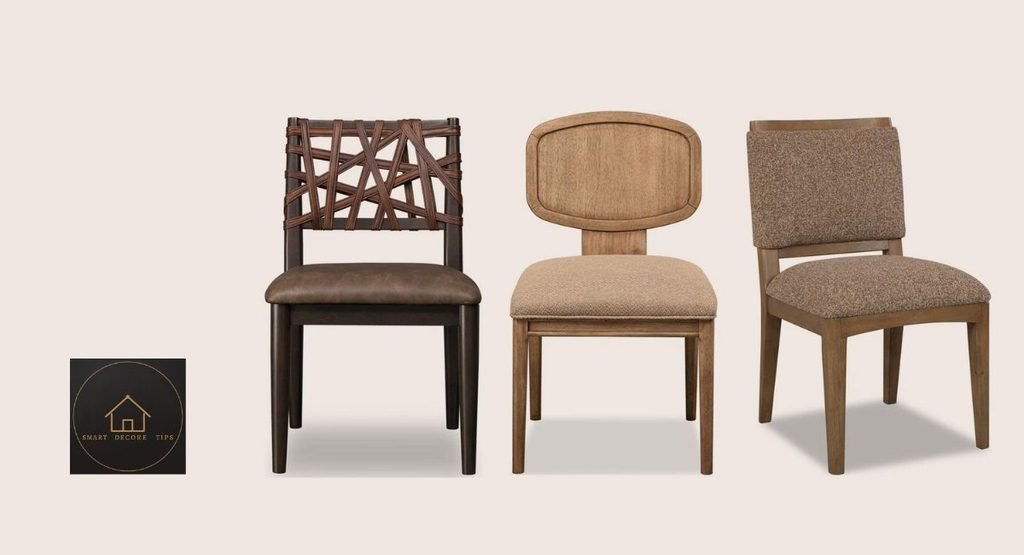
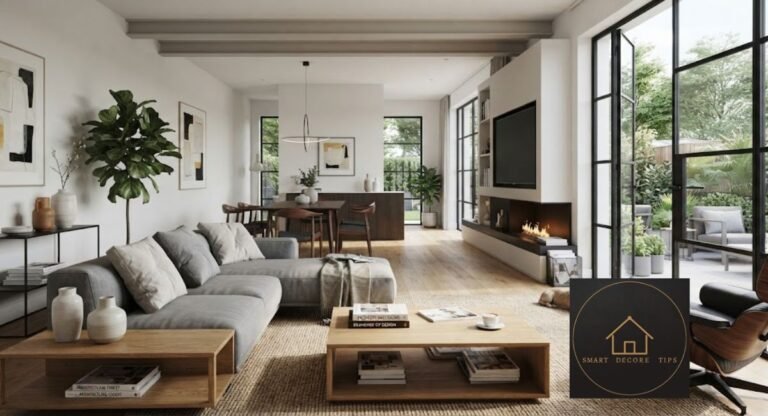
Modern furniture: Look for clear lines, practical forms, and limited ornament. Modern design includes several movements and periods, so not every modern piece looks the same.
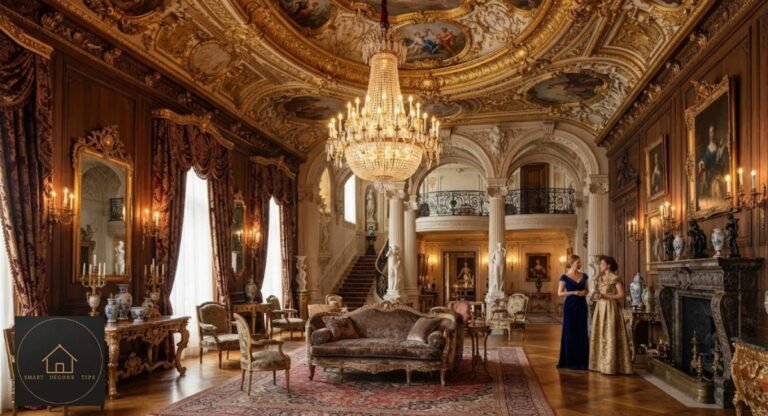
Traditional furniture: Look for historical references, shaped legs, carved details, decorative frames, and formal proportions. The amount of ornament varies by period and regional tradition.
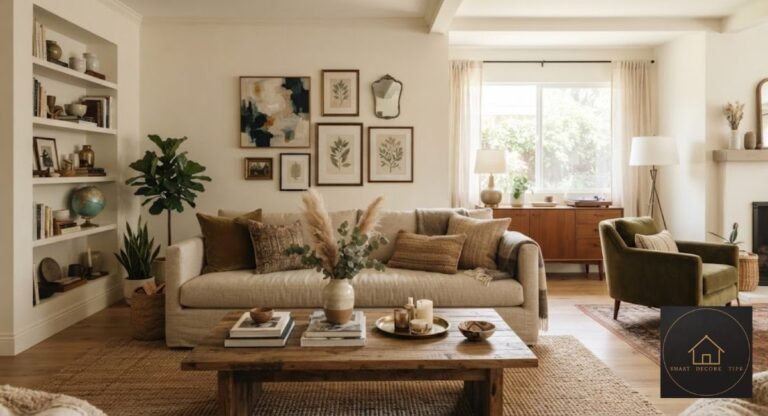
Transitional furniture: Look for a combination of classic and streamlined features. A simple upholstered sofa with a traditional arm shape is one possible example.
These descriptions are general clues, not strict rules. For a historical example, the Metropolitan Museum’s Queen Anne and Chippendale furniture guide explains the changes in chair backs, legs, carving, and wood used during those periods.
Which furniture details should you check before buying?
Examine the largest pieces first. Sofas, beds, dining tables, and cabinets establish much of a room’s visual character. Smaller accessories can support that direction, but they cannot always make unrelated furniture feel consistent.

Sofas and chairs
Look at the arms, backrest, feet, upholstery, and frame.
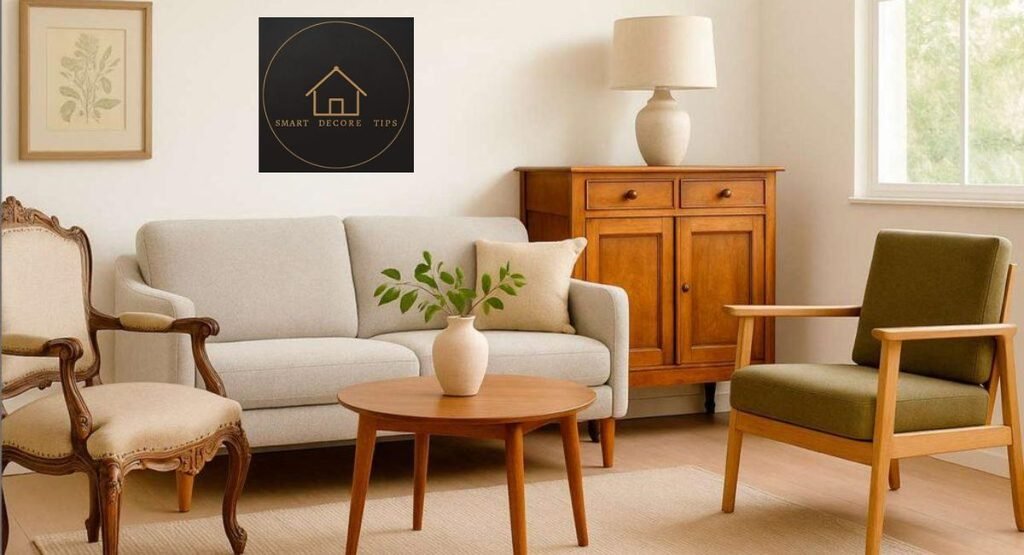
A sofa with a straight outline and simple legs may suit a modern room. A piece with rolled arms, button tufting, and a decorative wooden frame may lean traditional. A low, rounded sofa can fit several modern styles, depending on its base and other details.
Do not use fabric color as your main test. Beige, white, and gray upholstery appear across many furnishing styles.
Tables and cabinets
Tables and cabinets offer useful clues because their legs, edges, handles, and frames are often visible.
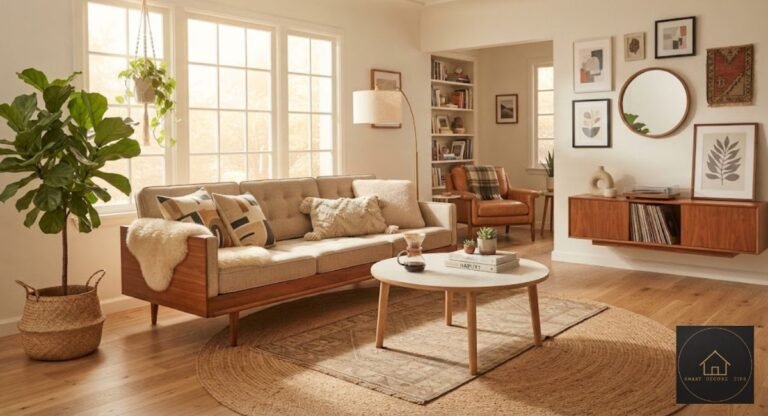
Tapered wooden legs can suggest mid-century modern influence. Turned or carved legs may indicate a traditional design. Flat cabinet fronts and understated hardware often suit modern furniture.
Pay attention to proportions as well. A heavy cabinet with ornate detailing may dominate a room of slim tables and delicate chairs, even if all the pieces have similar wood finishes.
Beds and bedroom furniture
A headboard can help establish a bedroom’s furnishing direction. Compare its shape, frame, upholstery, and decorative details with the bed’s base and the nearby nightstands.
A simple platform bed creates a different visual effect from a carved wooden bed or an upholstered headboard with decorative trim. The pieces do not have to come from the same collection, but their proportions and finishes should work together.
Hardware and small details
Drawer pulls, hinges, stitching, trim, and carved edges can make a plain piece look more formal or connect it to a historical tradition.
For a documented historical reference, the Metropolitan Museum’s Chippendale furniture collection describes a British armchair from around 1755, including its mahogany construction and elaborate design. It is a useful example of why material and ornament should be considered together.
How do materials and finishes affect a furnishing style?
Materials affect the appearance of furniture, but no material belongs exclusively to one style. Wood can look rustic or formal depending on its finish and construction. Metal can appear industrial or understated, while glass can make a table look visually lighter.
| Material or finish | What to examine | Possible style connection |
| Natural or weathered wood | Visible grain, knots, and surface texture | Rustic or farmhouse-influenced |
| Dark polished wood | Smooth finish and shaped details | Traditional |
| Light wood with simple lines | Restrained finish and practical form | Scandinavian or modern |
| Metal frames | Exposed structure and finish | Industrial or modern |
| Painted or distressed surfaces | Worn-looking finish or decorative treatment | Cottage-inspired or shabby chic |
| Glass with a simple frame | Clear surfaces and limited visual bulk | Modern or contemporary |
These are associations, not definitive classifications. Traditional furniture can use painted finishes, and modern furniture can use richly grained wood.
Before purchasing, check the actual construction. Solid wood, veneer, metal, and manufactured materials can look similar in photographs but differ in cost, care, and durability. Read the product description rather than assuming the material from its appearance.
How do you mix furnishing styles without making a room look random?
Choose one main furniture direction, then connect other pieces through a shared feature such as wood tone, fabric color, shape, or visual weight. This gives the room a consistent thread without requiring every item to match.
Try these steps:
- Choose a starting point. Pick the sofa, bed, or dining table that will guide the other purchases.
- Find a shared feature. Repeat a wood finish, metal tone, fabric color, or shape in another part of the room.
- Add contrast deliberately. A traditional accent chair can work beside a simple modern table if their proportions and finishes make sense together.
- Check scale. A bulky cabinet may overwhelm a room filled with slim furniture.
- Avoid buying everything at once. Adding pieces gradually gives you time to see what the room actually needs.
There are trade-offs. A matching furniture set makes shopping easier, but it can leave less room for individual character. Mixing several strong styles creates a more collected look, but too many competing shapes, finishes, and decorative details can make the room feel disconnected.
For most homes, I would begin with a simple, versatile foundation and add one or two distinctive pieces. This approach makes future changes easier without requiring the entire room to be replaced.
Frequently asked questions
The 3-5-7 rule is a decorating guideline that uses odd-numbered groups of accessories or decorative objects to create a less rigid arrangement. For example, a coffee table might hold a small stack of books, a vase, and a bowl.
Treat it as a flexible idea rather than a formal design standard. The right number of objects depends on their size, spacing, and the amount of room available.
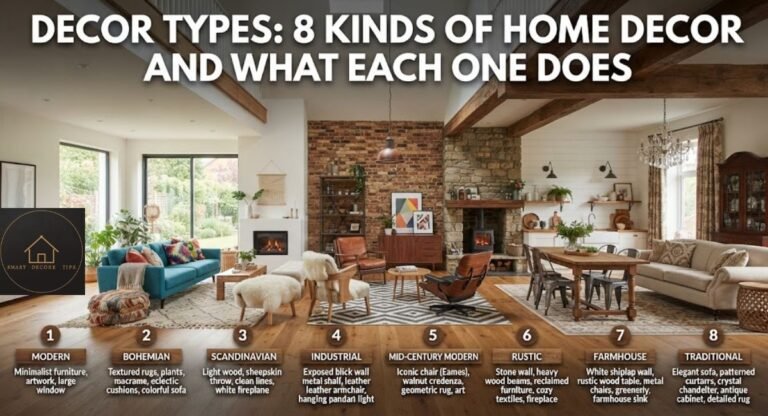
There is no universally accepted list of exactly seven types. Seven useful starting points are modern, traditional, transitional, mid-century modern, Scandinavian, industrial, and rustic.
These are broad design categories, not seven exclusive furniture classifications. Individual pieces may share features from more than one style.
Examine its silhouette, legs, frame, materials, finish, and decorative details together. Compare these features with documented examples of furniture styles instead of relying on color or a product label alone.
No. Furniture can come from different styles, periods, and collections. Repeating a few features, such as wood tones or shapes, can help the pieces look connected without making them identical.
How this guide was made
This guide was prepared on October 11, 2026. It compares the furniture-focused coverage of the supplied design guides with historical examples documented by the Metropolitan Museum of Art. The comparison focuses on recognizable shapes, construction, materials, finishes, and decorative details.
The approach is qualitative, not a numerical product-testing score. No furniture was purchased or tested for this article. No customer reviews, firsthand experiences, or independent popularity rankings were used as evidence. Before buying, compare a potential new piece with the furniture already in your home. If the shapes, proportions, finishes, and materials work together, you have a more useful starting point than matching colors alone.

Hi, I’m Shahzad Ahmad welcome to Smart Decore Tips!
I write and research every guide on this site myself, focused on real, practical home decor advice for renters, first-time homeowners, and small-space living. Before publishing anything, I check actual product listings, current prices, and real customer reviews not just what other sites already say.
My goal is simple: help you make smarter, more affordable decor decisions without the guesswork or sales pitch.
2 Comments